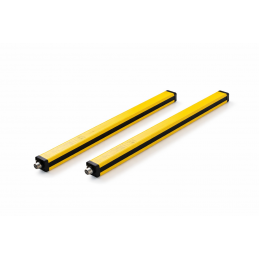
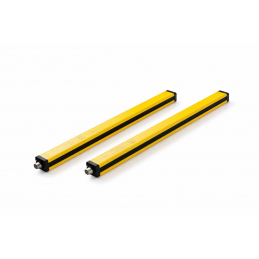
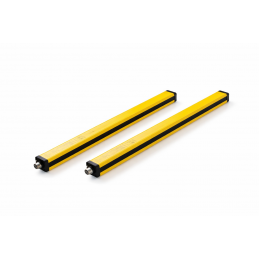
Digital Readouts for Lathes – A Simple Way to More Precise Machining Lathes are among the most commonly used machine...
Search in blog
Latest posts
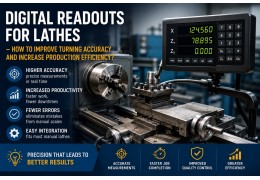
Digital Readouts for Lathes – How to Improve Turning Accuracy and Increase Production Efficiency?
Read more

How to Choose Digital Readouts for a Machine Tool? A Practical Guide for Workshops and Industry
Read more
Purchasing digital readouts is one of the most cost-effective upgrades you can make to a conventional machine tool....
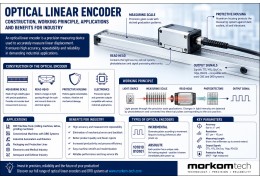
Optical Linear Encoder – Construction, Working Principle, Applications and Benefits for Industry
Read more
Introduction Modern manufacturing environments demand increasingly higher levels of precision, repeatability,...

Magnetic Linear Scale – Design, Operating Principle, Applications and Key Benefits
Read more
Magnetic Linear Scale – Advanced Position Measurement Technology Modern manufacturing requires measurement systems...

What Benefits Do Safety Light Curtains Provide in a Manufacturing Facility?
Read more
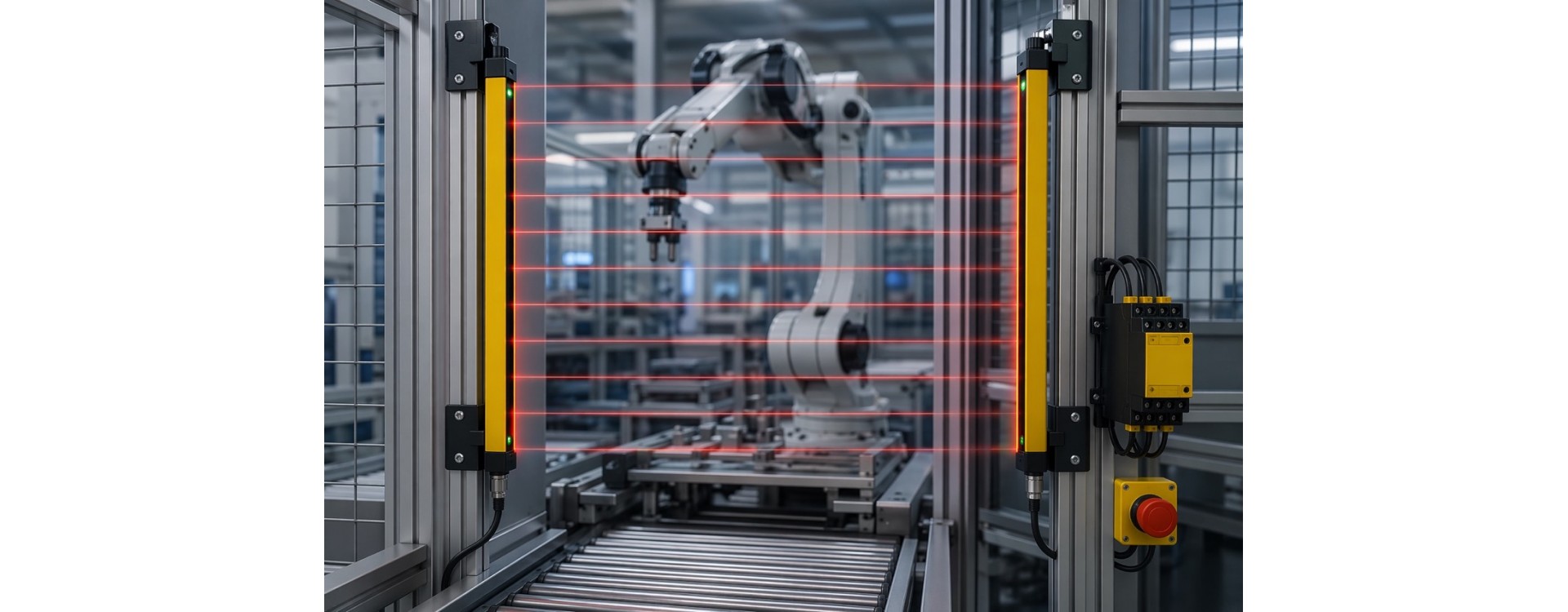
As manufacturing companies continue to automate production processes and increase machine performance, workplace...
Popular posts

🧠 What is OSSD? Principle of Operation and Importance in Machine Safety Systems
Nowadays, industrial automation is developing rapidly, and with it, the importance of safety systems is growing. One...
Read more
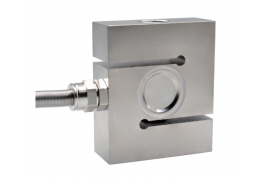
Strain Gauges – What are they and how do they work?
Strain gauges (also known as strain gauges) are key components in many industries, especially where accurate...
Read more
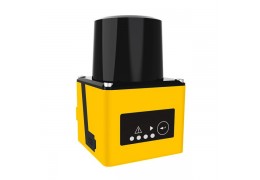
Lidar – What is it, Applications and Properties of Laser Scanners
Lidar (Light Detection and Ranging) is a technology that uses laser light to precisely measure distances. Lidar laser...
Read more